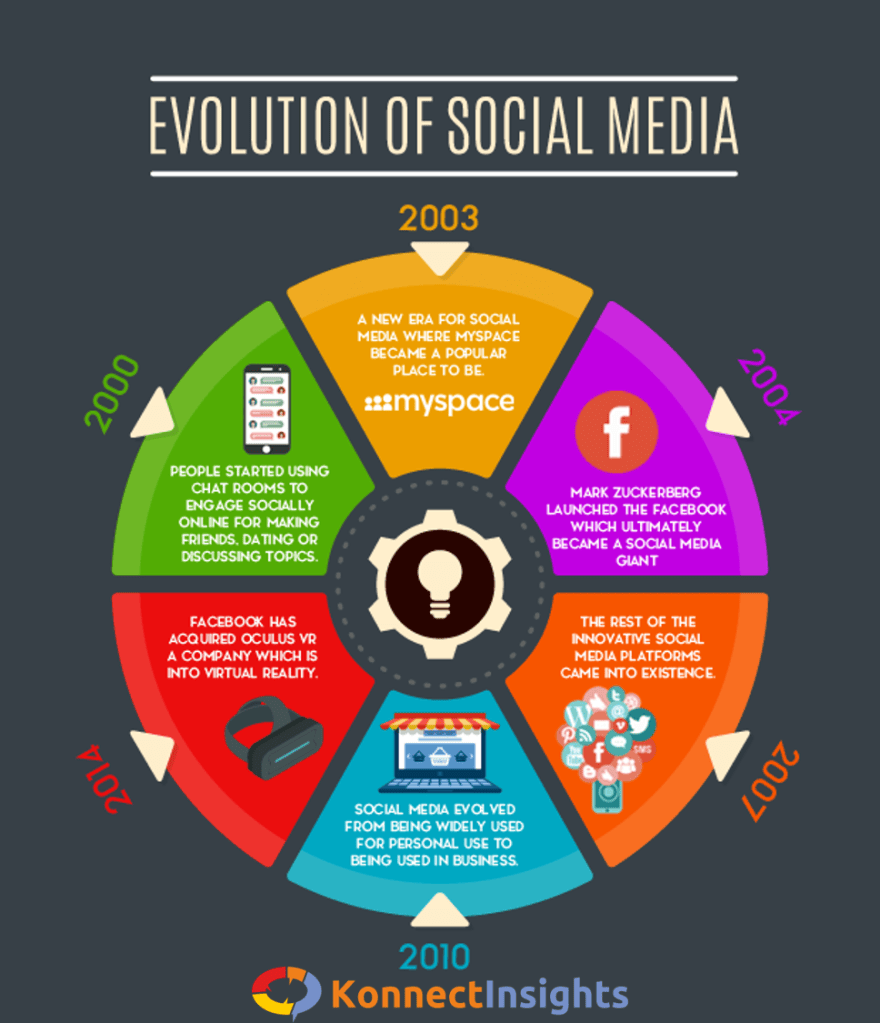

The evolution of the media has remained fraught with attention and enigmas. Complaints of mind control, bias, and inadequate quality have been thrown at the media constantly. Yet the majority of communications technology enables people today to obtain more information more efficiently than any previous generation. Mass media can denote as print media, radio, television, or Internet news. They can be local, national, or international. They can be general or limited in their focus. The options are enormous.
TYPES OF MEDIA’S
Print Media
Newspapers,Magazines,Books,Banners
This sort of news media related to being the only way of delivering information to the public. For the generations of the 80s and 90s, print media was the only medium of entertainment, People relied on newspapers and magazines to acquire everything.
The early news was introduced to local communities through the print press. While scarce colonies had printers and specific newspapers, high literacy standards merged with the desire for self-government which addressed Boston as a perfect location for the production of a newspaper, and the first constant press was started there in 1704.
Newspapers publish information about local events and activities. The Stamp Tax of 1765 increased costs for publishers, however, leading some newspapers to fold under the raised cost of paper. The cancellation of the Stamp Tax in 1766 eased concerns for a little while, but editors and writers soon began questioning the benefit of the British to rule over the colonies.
Newspapers took part in the effort to notify citizens of British crimes and encourage attempts to revolt. Readership across the colonies increased to approximately forty thousand homes and daily newspapers sprang up in large cities.
Between 1830 and 1860, machines and manufacturing caused the production of newspapers faster and less costly.
Broadcasting Media
Television,Radio,Movies



includes videos, audios, or written content that presents significant or entertaining data shared by diverse systems.
Television connected the best properties of radio and pictures and developed the media forever. The first official broadcast in the United States was President Franklin Roosevelt’s speech during the occasion of the 1939 World’s Fair in New York.
The people did not immediately start buying televisions, but coverage of World War II turned their minds. CBS announced on war events and included pictures and maps that intensified the news for viewers.
As television programming expanded, more channels continued to be added. Networks such as ABC, CBS, and NBC launched nightly newscasts and regional stations.
Even more than radio, television enables politicians to reach out and connect with citizens and voters in more profound ways.
Internet Media
Social networks or websites,Online forums,Podcast

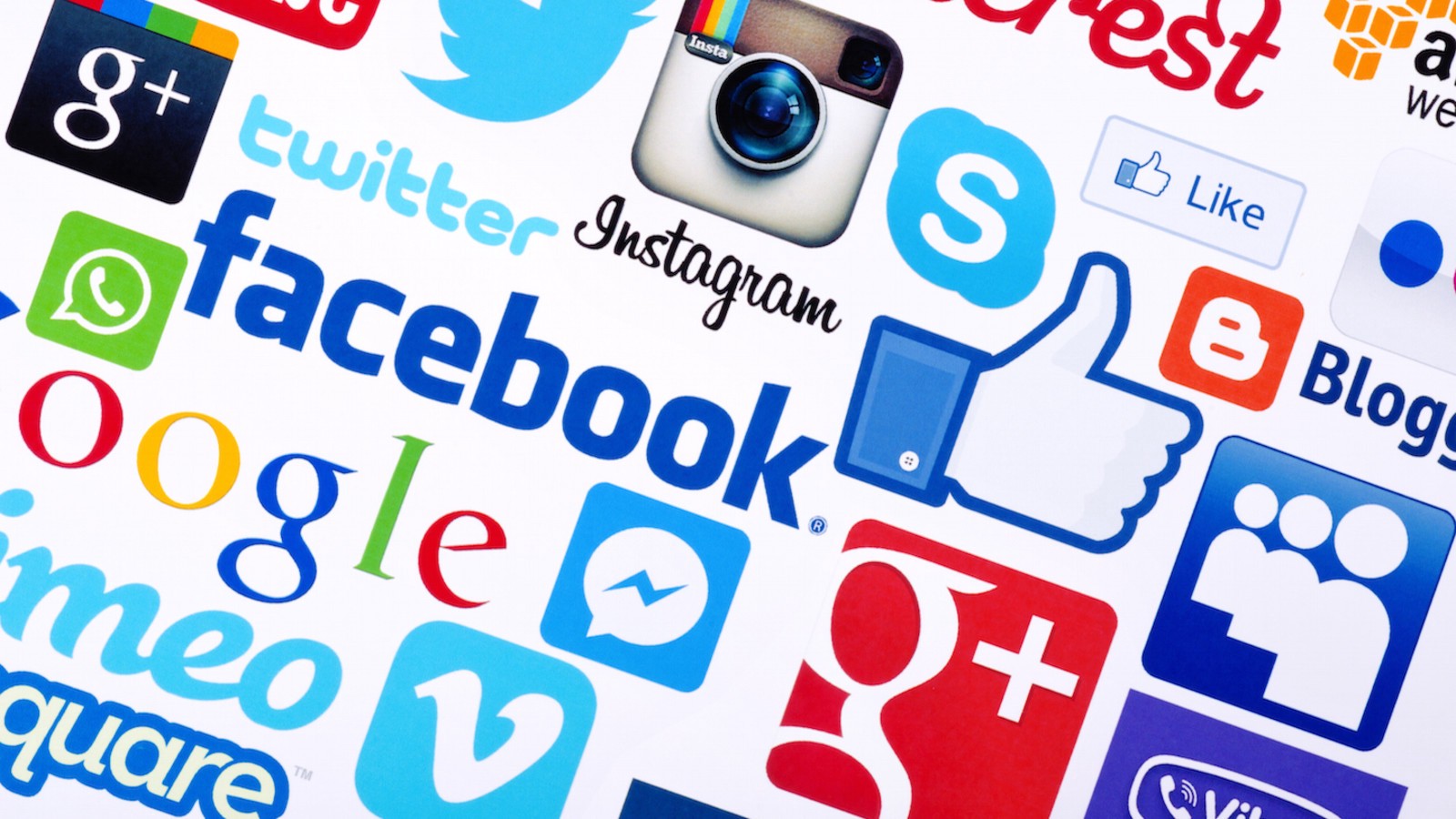

Nowadays, people are relying on the Internet to get the data a lot more frequently than conventional news sources. Websites contribute information in the sort of video, text, and audio. people can still choose the way they want to receive the news.
Social media, like Facebook, also set journalism in the controls of citizens: citizen journalism happens when citizens use their particular recording devices and cell phones to capture events and post them on the Internet. In 2012, citizen journalists caught both presidential candidates by surprise. Mitt Romney was recorded by a bartender’s camera saying that 47 percent of Americans would vote for President Obama because they remained dependent on the government.
CONSUMPTION PATTERN OF MEDIA

Most media and entertainment companies have lumped customers into demographic brackets; it’s hard being the simplest, most sincere way to classify consumers for advertisers and content development. But age has always remained a simple metric, as are gender and income.
As technology becomes frequently democratized and accessible, M&E and cable TV firms are shifting from focusing on the usual symbols—for instance, TV ratings for the prized 18–to–35 section—to resembling more firmly at media consumption practice patterns.
For many years, every American household received one bill from its M&E provider. Today, as firms introduce modifications and services fragment, the customer world has expanded dramatically, not least because individuals have their smartphones.
US companies can now target more extra than 400 million potential household media relationships across house internet, mobile cellular, pay-TV,and online video and streaming music services (“entertainment subscriptions”).

